SHARE WITH A FRIEND
The hybrid working model has fundamentally reshaped how businesses across Malta approach office space. Many organisations no longer require every employee to occupy a permanent desk throughout the working week, yet a physical workplace remains essential for collaboration, client meetings, onboarding, training sessions, team culture and professional representation.
Rather than disappearing, offices have evolved into a destination that supports the moments when people work best together. The most effective hybrid office is not necessarily the smallest or least expensive option. Instead, it is a workspace designed around how often employees attend, why they come into the office and the activities they need to perform once they arrive.
Start With Peak Attendance, Not Total Headcount
One of the most common mistakes businesses make when planning a hybrid office is sizing the workspace according to total employee numbers instead of actual attendance patterns. A workforce of 40 employees does not automatically require 40 desks if only part of the team is present on any given day. Before searching for office space, businesses should consider:
- The total headcount and core team structure, including how the organisation is divided across departments and which teams require dedicated physical workspace
- The peak office occupancy, meaning the maximum number of employees expected to be in the office on the busiest day of the week
- The attendance model, whether employees follow fixed office days or operate under a flexible, individually scheduled hybrid arrangement
- The team synchronisation pattern, including whether departments attend on the same days or stagger their office presence throughout the week
- The degree of role-based office dependency, where functions such as management, sales, finance, HR or support may require more consistent in-office presence than others
- Planned collaboration activities such as weekly team days, workshops or strategy sessions that temporarily increase office occupancy
- Variable demand drivers including client meetings, training sessions or events that cause fluctuations in the number of people present in the office
For example, a business may find that its office is relatively quiet on most days, but reaches full capacity every Wednesday when all teams attend for collaboration meetings and client sessions. In this case, the office still needs to be sized for that mid-week peak, even if desks remain unused for the remainder of the week.
In Malta, where rental costs, parking availability and commuting conditions directly affect operational efficiency, designing office space around real occupancy data rather than theoretical headcount is significantly more effective. It ensures the workspace remains functional during peak demand while avoiding unnecessary rental overhead during quieter periods.
Decide What the Office is Actually For
Before calculating square metres or comparing properties, businesses should clearly define the role their office will play within a hybrid working model. The purpose of the office directly influences the type of space required, and ultimately determines whether a property is suitable or not. A hybrid office may serve one or more of the following functions:
- Team collaboration and project work where employees come together to coordinate, discuss and complete shared tasks.
- Client meetings and external engagement with customers, partners or stakeholders in a professional setting.
- Training and onboarding activities that support structured learning and integration of new employees.
- Management and leadership discussions involving strategy, planning and decision-making.
- Quiet focused work that requires minimal disruption and a controlled working environment.
- Video conferencing and hybrid communication supported by reliable infrastructure and private spaces for calls.
- Reinforcing company culture and team connection through regular in-person interaction and shared working routines.
- Meeting regulatory or operational requirements where physical presence is necessary for compliance or governance.
- Serving as a registered business address and professional meeting point for international or mobile teams.
Hybrid office planning should begin with behaviour rather than floor area. If the office is primarily used for focused work, it should prioritise ergonomic desks and quiet zones. If collaboration is the main function, meeting rooms, breakout areas and flexible furniture become more important than desk density. Where client interaction is central, the emphasis should shift towards a professional reception area, boardroom facilities and a strong arrival experience.
Choose the Right Layout for Hybrid Working
Traditional offices were typically designed around rows of permanently assigned desks. Hybrid working requires a more flexible approach that reflects how employees actually use the workplace, with greater emphasis on collaboration, privacy and shared resources rather than individual workstations. A well-planned hybrid office often includes:
- Shared hot desks that allow employees to work flexibly without assigning a permanent workstation to every team member.
- A smaller number of dedicated desks for employees whose roles require a consistent office presence.
- Quiet focus areas where staff can complete concentrated work without interruption.
- Phone booths or private call rooms for confidential conversations and virtual meetings.
- Meeting rooms designed for four to eight people to support team discussions, project work and client meetings.
- A larger boardroom or training space for presentations, workshops and company-wide gatherings.
- Informal breakout areas that encourage collaboration, brainstorming and social interaction.
- Personal lockers for employees who do not have fixed desks but need secure storage for personal belongings.
- Secure storage for equipment, documents and office supplies that are shared across the business.
- A professional reception and waiting area where clients, suppliers and visitors can be welcomed.
Many hybrid offices require fewer desks but significantly more enclosed spaces. Employees attending the office often spend their time participating in meetings, conducting interviews, collaborating with colleagues or joining video conferences rather than working individually for an entire day.
For Malta-based technology, fintech and iGaming businesses, several small video conferencing rooms are often more valuable than additional desk space. Teams frequently communicate with colleagues, suppliers and clients across multiple international time zones, making reliable private spaces for virtual meetings essential.
Meeting Rooms Matter More in a Hybrid Office
Desk numbers often receive the most attention during an office search, yet meeting room capacity is frequently the first area where hybrid offices begin to struggle as the demand for enclosed rooms can exceed demand for individual workstations.
When assessing a potential office, consider whether there are enough spaces to support different activities simultaneously, including team meetings, client discussions, interviews, private HR or management conversations, video conferencing and informal collaboration. It is equally important to assess whether meeting rooms can be booked efficiently and whether they provide sufficient acoustic privacy for confidential discussions.
A hybrid office with 20 desks but only one meeting room can quickly become constrained on collaboration days. Employees may end up taking calls from open-plan workspaces, corridors or nearby cafés, reducing both productivity and confidentiality. When viewing offices in Malta, count meeting rooms as carefully as you count desks, as both are essential to creating a workspace that functions effectively.
Technology and Connectivity Are Non-Negotiable
Successful hybrid working depends on reliable digital infrastructure. Even the most attractive office will struggle to support modern working practices if connectivity and technology fall short. Before committing to a property, businesses should confirm that it can support high-speed fibre internet, backup connectivity, reliable Wi-Fi coverage and sufficient electrical and data points throughout the workspace.
Meeting spaces should be equally well equipped. Video conferencing rooms should include high-quality screens, cameras and microphones, while acoustic treatment can help ensure conversations remain clear, professional and confidential. Businesses should also assess whether the office provides secure network infrastructure, dedicated IT or server space where required, and appropriate access control systems to protect both people and data.
Many Malta-based businesses work daily with international clients, remote employees and overseas suppliers. Poor connectivity or unreliable conferencing technology can undermine professionalism, reduce productivity and create unnecessary frustration. A well-designed hybrid office should enable remote participants to contribute as effectively as those in the room, ensuring technology supports collaboration rather than becoming a barrier to it.
Location Considerations for Hybrid Working
Hybrid working has changed how businesses evaluate office locations. Because employees commute less frequently, the office should provide an experience that justifies the journey, encouraging staff to collaborate in person rather than treating office days as an obligation. As a result, factors such as accessibility, convenience and the surrounding environment often carry greater weight than they did under traditional working models.
When assessing potential locations, businesses should consider how easily employees can travel from different parts of Malta, the availability of parking and public transport, and whether nearby restaurants, cafés, gyms and other amenities contribute to a more enjoyable working day. These factors can also influence recruitment and retention, particularly when competing for highly skilled professionals who have the flexibility to work remotely.
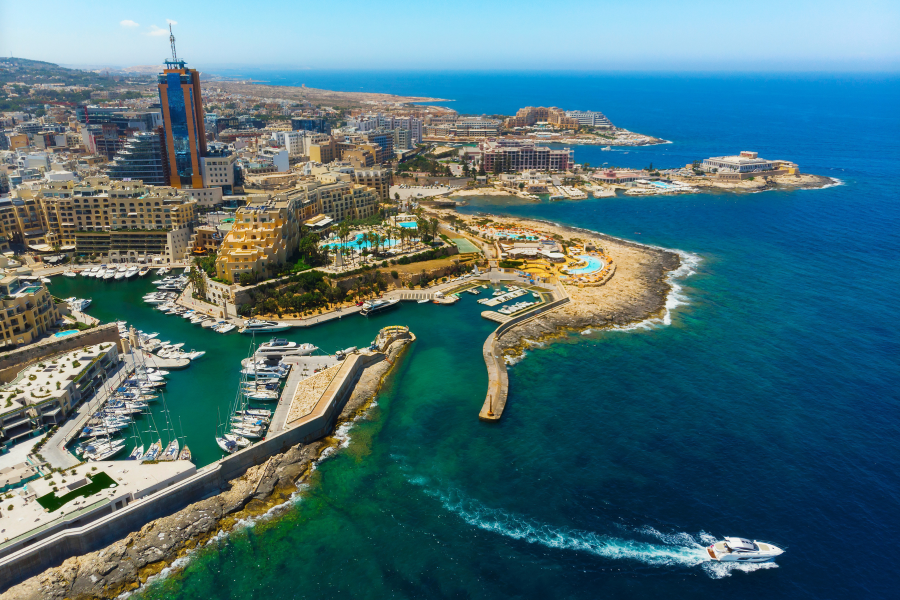
Different commercial districts offer distinct advantages. Sliema and St Julian's combine modern office space with strong hospitality, lifestyle amenities and international appeal, although traffic congestion and parking should be carefully assessed. Valletta provides a prestigious business environment with excellent ferry and public transport connections, while central commercial locations such as Mrieħel often offer larger offices and more generous parking provision. Businesses may also find that Gżira, Msida, Birkirkara, Mosta and Naxxar provide a better balance of accessibility, cost and convenience depending on where employees live and how frequently they are expected to attend the office.
Flexible Office, Serviced Office or Traditional Lease?
Hybrid businesses often benefit from comparing different types of office accommodation before committing to a long-term lease. The right solution depends on how frequently employees attend the office, the level of privacy required and how much flexibility the business expects to need as it grows.
Coworking or Flexible Workspace
Coworking spaces are often the best choice for startups, consultants, international businesses entering Malta and small hybrid teams that only meet in person occasionally. They offer short-term commitments, lower upfront costs and the flexibility to expand or reduce space as requirements change. Many also provide bookable meeting rooms, making them a practical option for businesses that need professional facilities without maintaining a permanent office. However, coworking environments generally offer less privacy, fewer branding opportunities and limited control over the workspace.
Serviced Office
Serviced offices suit businesses that want the privacy of their own office without the administrative burden of managing furniture, internet, reception services, cleaning and utilities. They provide predictable monthly costs, a professional working environment and the ability to scale relatively easily as teams grow, making them particularly suitable for businesses with around two to twenty employees. The trade-off is a higher cost per workstation and less freedom to customise the office.
Traditional Private Office
A traditional leased office is often the best long-term solution for businesses with consistent office attendance, regular client meetings or operational and regulatory requirements that demand a dedicated workspace. While it involves a longer commitment and greater responsibility for fit-out, maintenance and ongoing management, it also provides complete control over the layout, branding, security and overall working environment.
Lease Flexibility Is Especially Important for Hybrid Teams
Hybrid working policies continue to evolve. Some businesses gradually reduce office attendance, while others increase collaboration days or expand their teams over time. Rather than focusing solely on today's requirements, businesses should choose a lease that can adapt as their workplace strategy changes. When reviewing a lease, pay particular attention to provisions that affect future flexibility, including:
- Lease duration and whether it aligns with anticipated business growth.
- Break clauses that allow the agreement to end early if requirements change.
- Renewal rights and options to extend the lease.
- Opportunities to expand into additional space within the building.
- Provisions allowing the business to reduce its occupied space where available.
- Assignment or subletting rights if organisational needs change.
- Fit-out permissions that allow the workspace to evolve over time.
- Reinstatement obligations at the end of the lease.
- Access to shared meeting facilities if attendance patterns fluctuate.
- Parking allocations and whether they remain suitable as staffing levels change.
A lease should support the way your business is likely to operate over the coming years, not simply the way it operates today. Building flexibility into the agreement can reduce the need for costly relocations or renegotiations as hybrid working arrangements continue to evolve.
Do Not Ignore Employee Experience
If employees only attend the office two or three days each week, those days should provide genuine value beyond what is available from home working. A successful hybrid office should encourage people to come together by offering an environment that supports productivity, collaboration and wellbeing, rather than simply providing a place to work.
This means creating a comfortable, functional workplace with ergonomic furniture, good natural lighting, reliable air conditioning and well-maintained shared facilities. Quiet areas should be available for focused work, while breakout spaces encourage informal collaboration and social interaction. Practical features such as personal lockers, showers or bicycle storage, together with convenient access to cafés and lunch options, can also contribute to a more positive employee experience.
Employees are generally more willing to embrace hybrid office attendance when the workplace offers meaningful collaboration, high-quality facilities, professional meeting environments and stronger social connections than they experience working remotely. Investing in employee experience can therefore support not only productivity, but also recruitment, retention and long-term engagement.
Hybrid Office Viewing Checklist for Malta Businesses
A property that appears suitable during an initial viewing may not fully support a hybrid working model. Before making a commitment, businesses should assess whether the office can accommodate current working patterns while remaining flexible enough to support future growth. During your viewing, confirm:
Space and Layout
- The office can comfortably accommodate peak attendance levels.
- The number of desks matches actual occupancy requirements.
- There are sufficient meeting rooms and quiet call spaces.
- The layout can be adapted as working patterns evolve.
- Adequate lockers and storage are available for shared working.
Technology and Infrastructure
- Internet connectivity supports reliable video conferencing.
- There are sufficient electrical outlets and data points throughout the office.
- Air conditioning can be controlled effectively across different working zones.
Accessibility and Practicality
- The office is easily accessible for the majority of employees.
- Parking and public transport options meet the needs of staff and visitors.
- The workspace provides an appropriate environment for client meetings.
- Service charges and other ongoing occupancy costs are clearly explained.
Future Flexibility
- The lease allows the business to expand or reduce occupied space if requirements change.
A successful hybrid office should support collaboration today while remaining flexible enough to adapt as business needs evolve.
When Hybrid Teams Should Avoid Taking Too Much Space
Over-allocation of office space remains one of the biggest financial risks for businesses adopting hybrid working. Paying for space that remains largely unused increases occupancy costs without improving productivity or employee experience. In many cases, the issue is not that the office is too small, but that it has been planned around total headcount rather than actual attendance patterns.
Signs that an office may be larger than necessary include consistently empty work areas, an excess of permanently assigned desks, limited demand for client-facing facilities and teams that only meet in person occasionally. Businesses without a clear attendance policy or desk booking system may also struggle to understand how much space they genuinely need, resulting in inefficient use of the workplace.
Where future attendance patterns remain uncertain, a flexible workspace or serviced office can provide an effective interim solution. This allows businesses to gather real occupancy data before committing to a larger private office and a longer-term lease.
WorkSpaces can help businesses compare hybrid-friendly offices across Malta based on layout, location, meeting room capacity, lease flexibility, parking availability and long-term suitability, making it easier to choose a workspace that supports both today’s working model and tomorrow’s business objectives.
To discuss available options, contact WorkSpaces on +356 2010 8077, visit www.workspaces.mt, or meet the team at the Portomaso Marina office or Tigné Point Pjazza office to secure the right workspace for your business.