SHARE WITH A FRIEND

Hybrid working has reshaped the way professionals approach their careers. Initially a response to global disruptions, it has quickly become a defining feature of modern employment, blending office presence with remote flexibility. In Malta, hybrid working intersects with unique opportunities for professionals.
With its Mediterranean climate, high‑quality infrastructure, and growing appeal as a remote‑work hub, Malta provides an environment where hybrid working is not only possible but increasingly attractive for both individuals and companies. Understanding how hybrid work fits within Malta’s legal and economic landscape helps professionals and employers make informed decisions about the long-term viability of flexible work arrangements.
What Drives the Shift to Hybrid Working
Workers increasingly value flexibility in how they allocate their time between office and remote work. Hybrid working offers improved work life balance, reduced commuting stress and enhanced autonomy. Many professionals now prioritise such flexibility over traditional perks. Employers who accommodate hybrid working often see improved retention and employee satisfaction.
Technological Infrastructure and Global Connectivity
Advancements in digital communications tools and stable high‑speed internet have made remote work viable. Especially in regions with robust connectivity and abundant co‑working facilities, hybrid work becomes not only feasible but attractive. For Malta the availability of modern infrastructure supports remote working arrangements, making it a viable base for professionals whose roles allow flexible location options.
Cost and Productivity Considerations for Employers
From the perspective of employer’s hybrid working can reduce overhead: less demand for large office spaces and lower operational costs. Furthermore, many roles in sectors like software development, consulting or digital services can maintain or even improve productivity when employees work remotely. Hybrid models can thus deliver tangible financial and operational benefits to organisations.
Is Hybrid Working Temporary or Permanent?
Hybrid working aligns with broader trends in workforce decentralisation. Many companies have already redesigned policies to include remote-friendly frameworks. Once systems and habits shift, reverting to a purely office‑based model becomes increasingly unlikely. The social and cultural expectations that have developed around flexibility also reinforce permanence.
The Challenges and Limits of Hybrid Work in Malta
Hybrid working relies heavily on discipline, trust and adequate infrastructure. For some organisations the lack of in‑person interaction may hamper collaboration, mentorship or spontaneous idea generation. For employee’s hybrid work can blur boundaries between personal life and professional time.
In Malta, remote work from abroad is possible for non-residents through legal frameworks such as the Nomad Residence Permit, but for traditional hybrid employees who split their time between a Maltese office and home, local employment rules and taxation are the main considerations.
Why is Malta Emerging as a Hybrid‑Friendly Destination
Malta offers reliable high‑speed internet, modern co‑working spaces and good transport links across the island. These factors facilitate flexible work arrangements and allow employees to balance office presence with remote productivity.
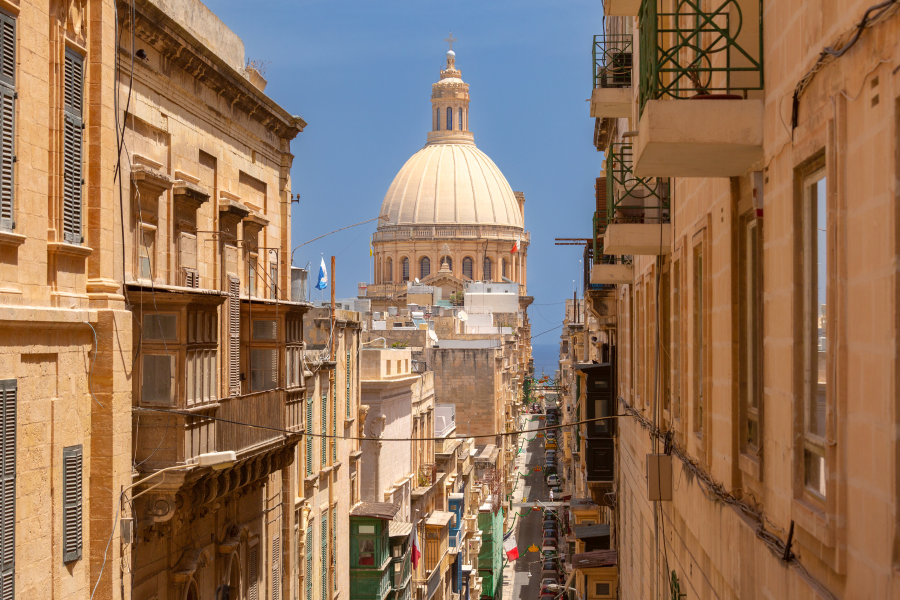
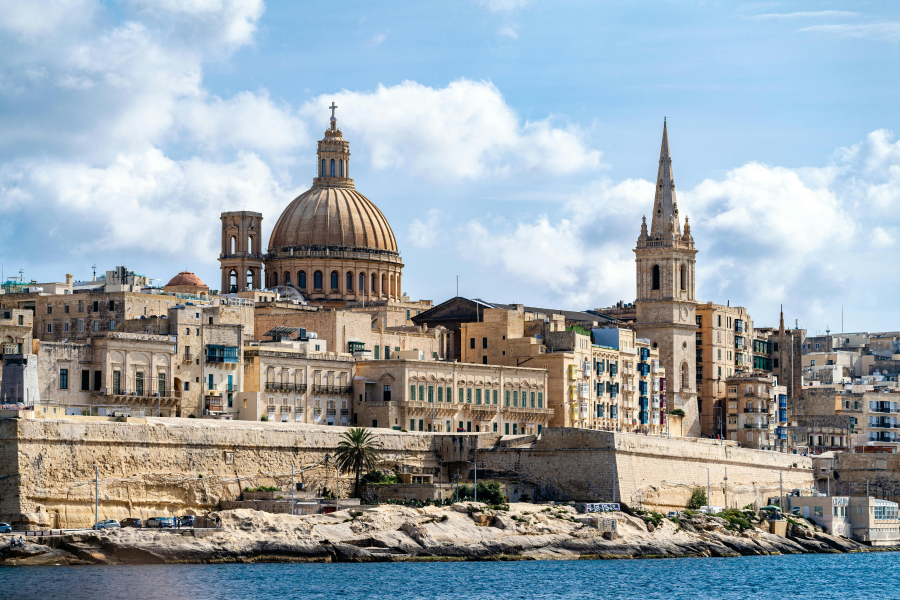
In addition, the Mediterranean climate, natural beauty and English-speaking environment make Malta an attractive location for hybrid workers. Easy access to coastal areas, historic cities and cultural amenities provides a compelling work-life balance for employees looking to combine professional responsibilities with lifestyle quality.
What Hybrid Working Means for Malta’s Economy and Society
Hybrid working can help Maltese companies attract talent from across the island or internationally. Flexibility may increase job satisfaction, reduce employee turnover and allow organisations to recruit specialists who value location independence.
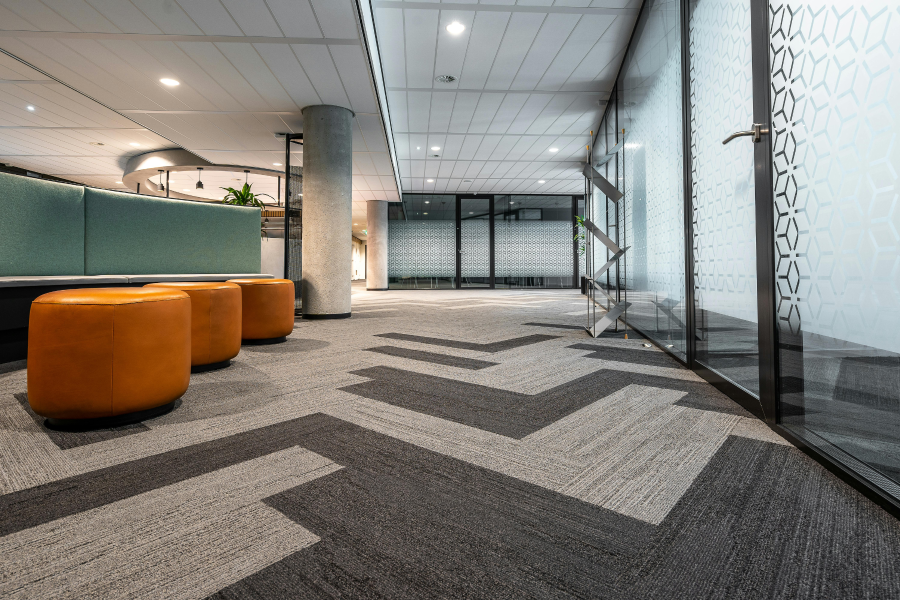
Hybrid models encourage companies to rethink office design, culture and collaboration tools. Employers need to maintain team cohesion, mentorship opportunities and creative exchange while supporting flexible schedules. For Malta’s relatively small workforce, effective hybrid policies can enhance productivity without compromising connectivity.
Furthermore, hybrid working reduces demand for office space, lowers commuting-related expenditures and allows companies to optimise operational costs. Employees benefit from reduced transport expenses and greater control over daily schedules. Malta’s service economy and urban infrastructure are well-positioned to support this trend, particularly in sectors like technology, financial services and consulting.
Will Hybrid Working Remain After the Global Remote Work Surge
For sectors where remote work can be sustained without loss of quality, hybrid working will likely persist. Roles in IT, creative industries, consulting and digital services are especially suited to hybrid models. As companies adapt management practices and collaboration tools, hybrid working may become standard for these sectors.
That being said there are potential regulatory and economic factors to consider. Regulatory issues such as tax compliance, labour regulations and residency rules may impose limits for workers operating internationally. Local salaries, housing affordability and cost of living may also affect adoption rates. For companies and employees, balancing flexibility with legal and financial compliance remains essential.
It is also worth noting that some industries that require on‑site presence, physical collaboration or in‑person services will likely maintain traditional working models. Hybrid work in these sectors may remain an optional benefit rather than a standard arrangement.
What Hybrid Working Means for Professionals Considering Malta
Professionals considering hybrid work should assess whether their roles are sufficiently location-independent and compatible with Maltese regulations. Office-based work still requires compliance with employment law and tax obligations, while remote elements may need formal agreements with employers.
Employees working hybrid schedules must review domestic tax laws and Malta-specific employment regulations. Ensuring proper legal and fiscal compliance protects both the employer and employee and allows flexible work to be sustainable in the long term.
Hybrid working represents a lasting transformation in how professionals approach employment. For many roles, it offers enhanced flexibility, productivity and work-life balance. Malta provides a conducive environment for hybrid work through strong infrastructure, quality of life and cultural appeal. While legal, regulatory and economic considerations must be addressed, the trend toward hybrid working is unlikely to reverse. Companies and employees in Malta who embrace this model stand to benefit from a more flexible, productive and fulfilling approach to work.
Looking for the ideal office to support your hybrid working model? Whether your company prioritises prestige, connectivity, or growth potential, WorkSpaces can help you secure the perfect location in Malta’s leading commercial districts. Explore modern offices, coworking hubs, and premium spaces designed to meet your business needs.
Find the workspace that fits your team at www.workspaces.mt or call us at +356 2010 8077. The perfect office for your hybrid working model is just one search away.