SHARE WITH A FRIEND
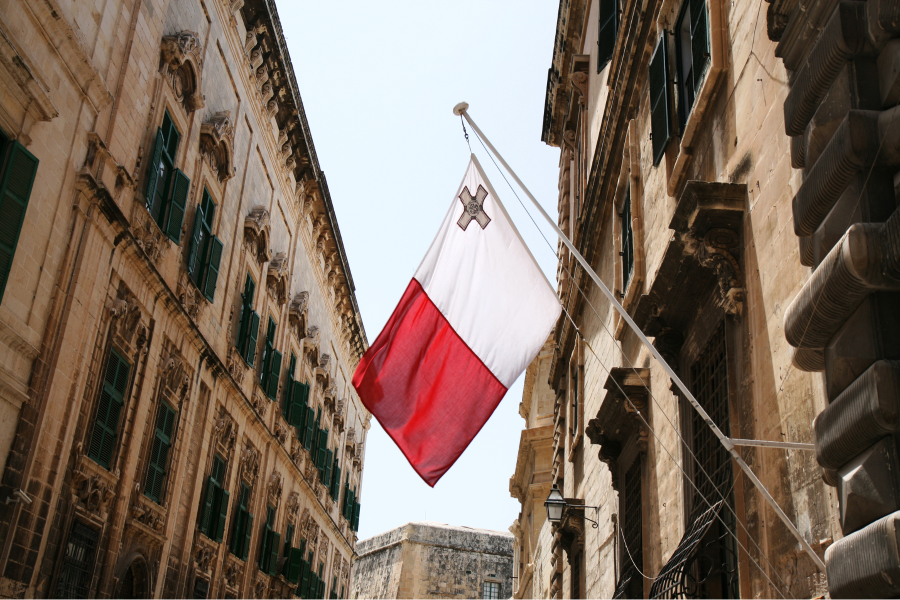
Malta’s office real estate sector enters 2026 positioned between cautious recovery and structural recalibration. Leasing activity has stabilised - supported by a resilient national economy and sustained demand from high-value industries like fintech and iGaming - yet underlying softness remains visible outside prime districts. The market is no longer driven by speculative expansion but by deliberate, quality-focused decision-making from both occupiers and landlords.
With unemployment hovering around 3%, Malta continues to outperform many European peers in labour stability. This has translated into consistent, if selective, office demand. Average asking rents increased from €214 per square metre in 2023 to €234 per square metre in 2024, reflecting a 9% annual rise. Prime locations outperformed the wider market, while secondary areas experienced rising vacancy and slower absorption.
As 2026 approaches, the office sector is defined less by volume growth and more by a widening performance gap, well-located, modern offices are tightening, while peripheral and outdated properties face mounting pressure to adapt.
Economic Resilience and Office Leasing Fundamentals in Malta
Malta’s macroeconomic environment remains a stabilising force. Continued GDP growth, relatively low interest rates compared to broader European conditions, and rising wages have supported corporate confidence. Office leasing has benefited directly from this backdrop, particularly among sectors tied to digital services and cross-border operations.
Globally, office leasing volumes rose by approximately 9% in 2024, and Malta broadly mirrored this trend in its prime submarkets. However, the recovery has been uneven. Industry voices caution that while transactions are occurring, overall demand has not yet returned to pre-pandemic momentum. One leading local developer has openly stated that 2025 faces the same low-demand challenges as 2024, a sentiment that continues to shape 2026 expectations.
Office Leasing vs Ownership Trends in Malta
The Maltese office market remains predominantly lease-driven. Most commercial office stock is offered for rent rather than sale, reflecting landlord preference for recurring income and tenant flexibility. This structure has enabled operators to adjust pricing, introduce incentives, and reconfigure space in response to shifting occupier requirements without destabilising asset values.
Demand Drivers: Who Is Leasing Office Space in Malta
Digital Economy Driving Office Demand in Malta - Malta’s digital economy remains the primary engine of office demand. iGaming, fintech, financial services, blockchain-related firms and IT companies continue to expand or consolidate their Maltese footprints. These sectors value Malta’s EU jurisdiction, regulatory familiarity, and multilingual talent pool.
Central locations dominate leasing decisions. Sliema, St. Julian’s and Valletta attract international firms seeking visibility, lifestyle amenities and proximity to clients. Investment announcements reinforce this trajectory, with iGaming operator Soft2Bet committing approximately €20 million toward a new headquarters development in Mriehel. Such moves underline the continued confidence of digital-first companies in Malta as a long-term base.
Corporate, SME and Flexible Office Space Demand in Malta - Demand is not limited to large multinationals. Mid-sized firms and smaller service providers remain active tenants, particularly those seeking scalable office solutions. Hybrid work models have accelerated the shift toward flexibility, making serviced offices and co-working environments increasingly attractive.
Market analysis indicates growing uptake of co-working spaces in urban centres, while suburban office demand has stagnated. SMEs prioritise short-term commitments, plug-and-play infrastructure and access to shared amenities. This has reshaped tenant profiles within business centres, especially in Sliema, St. Julian’s and emerging CBD zones.
Government Policy and Demographic Factors Impacting Office Demand - Government initiatives continue to support office demand indirectly. Digital nomad visas, remote work permits and business-friendly relocation frameworks attract foreign entrepreneurs and companies. While geopolitical uncertainty and global economic pressures temper aggressive expansion plans, Malta’s policy consistency remains a competitive advantage.
Office Supply and Commercial Development Trends in Malta
Expansion of Office Stock and New Developments in Malta - Developers have responded to sustained demand for quality space by delivering new office buildings and upgrading existing assets. Recent years have seen an influx of modern business centres, with additional projects in the pipeline. Msida, Swatar and the broader Mriehel CBD have emerged as focal points for Grade-A developments offering contemporary specifications and larger floorplans.
Established operators are also reinvesting. Redevelopment projects, such as the upgrading of long-standing business centres in Gżira and Sliema, aim to align older stock with current occupier expectations.
Major Mixed-Use and Office Development Projects in Malta - Large-scale developments continue to reshape Malta’s urban landscape. The planned Villa Rosa project in St. Julian’s, which includes approximately 16,000 square metres of office space, represents one of the most significant upcoming additions to the market. While primarily mixed-use, such projects reinforce investor confidence in prime commercial zones.
Other landmark towers, though largely residential or hospitality-focused, contribute to broader infrastructure improvements and signal continued construction momentum in core districts.
Uneven Office Space Utilisation Across Malta - Despite new supply, not all areas benefit equally. Suburban and infill sites remain underutilised, with vacancy rates notably higher outside established business hubs. This imbalance underscores the importance of location and quality, as tenants increasingly consolidate into fewer, better-performing buildings.
Office Space Quality and Typologies Tenants Expect in Malta
New office developments in Malta increasingly set Grade-A standards as the baseline rather than the exception. High ceilings, efficient layouts, ample parking, advanced data infrastructure and energy-conscious design are now expected features rather than differentiators.
Tenants demonstrate a clear preference for buildings that support productivity and employee wellbeing, particularly as competition for skilled talent intensifies.
Serviced Offices and Business Centres - Serviced offices remain a critical segment of the market. Their appeal lies in flexibility, reduced upfront costs and immediate operational readiness. These spaces are particularly popular among iGaming firms, consultancies and international companies testing the Maltese market before committing to long-term leases.
Flexible and Adaptable Office Space Configurations - Hybrid work has altered spatial requirements. Developers increasingly deliver offices with modular layouts, shared collaboration zones and smaller private suites. Some new projects incorporate lab-style studios or innovation hubs designed to accommodate diverse operational needs.
Office Rental Rates and Availability in Malta
Average and Prime Rents - Office rents in Malta continued to rise through 2024. The national average reached approximately €234 per square metre, reflecting a 9% annual increase. Prime districts significantly outperformed this figure.
North Harbour locations, including Sliema and St. Julian’s, achieved asking rents around €275 per square metre, with top-tier assets reaching €300 per square metre. Valletta and Floriana maintained strong demand with moderate-to-high rents and limited availability.
The Central Region, particularly Mriehel CBD, recorded one of the sharpest increases, with rents rising by approximately 12.5% to around €167 per square metre.
Secondary Market Pricing - Peripheral areas such as Birkirkara, Mosta, Naxxar and Qormi remain substantially more affordable, with rents typically ranging between €130 and €180 per square metre. While these areas offer value and parking convenience, higher vacancy levels persist.
Negotiation and Incentives - Advertised rents often differ from achieved rates. In secondary locations, landlords increasingly offer incentives, including rent-free periods, stepped leases and flexible terms, to secure tenants. In contrast, premium business centres have demonstrated pricing power. Some operators reported revenue growth in 2024 driven by lease adjustments aligned with current market conditions.
Office Vacancy Trends and Market Pressure in Malta
Vacancy trends reveal a bifurcated market. Prime offices in coastal and CBD locations experience tightening availability, driven by sustained demand from growth sectors. Conversely, suburban and older office stock faces prolonged vacancy, with some reports indicating record-high levels in non-core areas.
This divergence reinforces a central market truth that quality and location are decisive. Tenants with expanding teams continue to compete for best-in-class space, while secondary landlords must adapt or risk obsolescence.
Office Occupancy Outlook in Malta for 2026
While some market participants anticipate gradual improvement, caution dominates near-term forecasts. Without a significant acceleration in demand, vacancy pressure in fringe areas is likely to persist into 2026, placing emphasis on asset repositioning and tenant-centric leasing strategies.
Key Office Locations and Market Segments in Malta
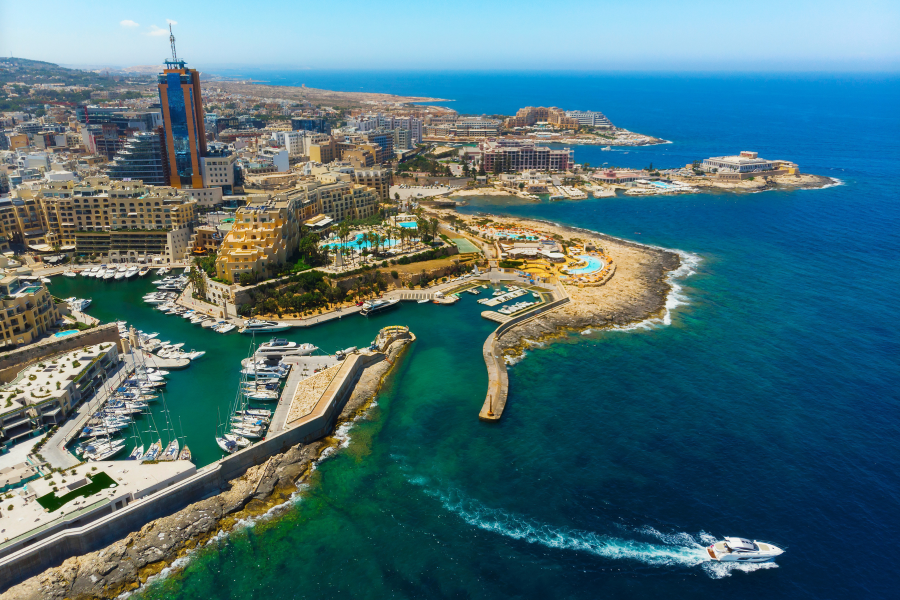
Prime Business Districts in Malta - Sliema and St. Julian’s remain Malta’s most prestigious office corridors. Sea views, lifestyle amenities and proximity to hospitality and retail underpin their appeal. These areas command the highest rents and attract international occupiers seeking brand alignment and employee satisfaction.
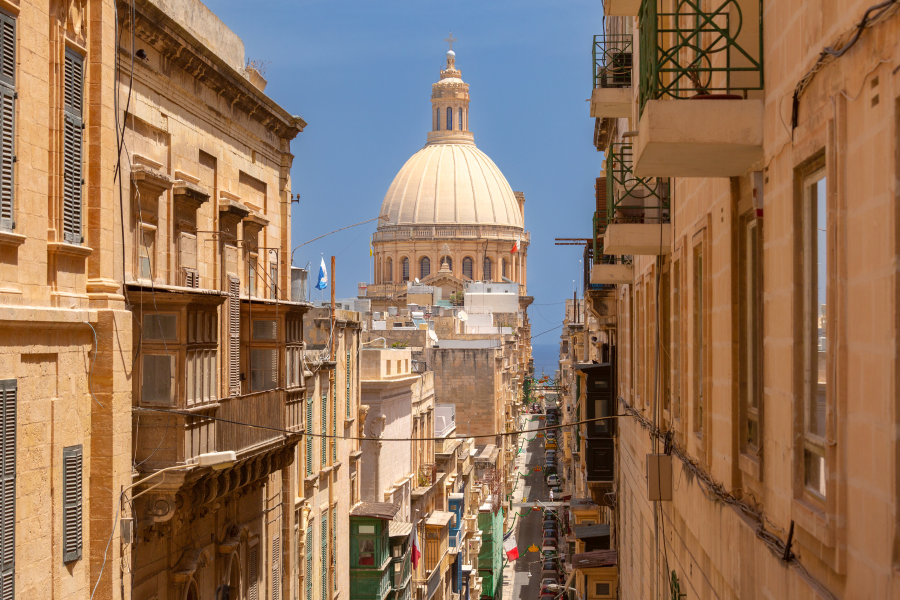
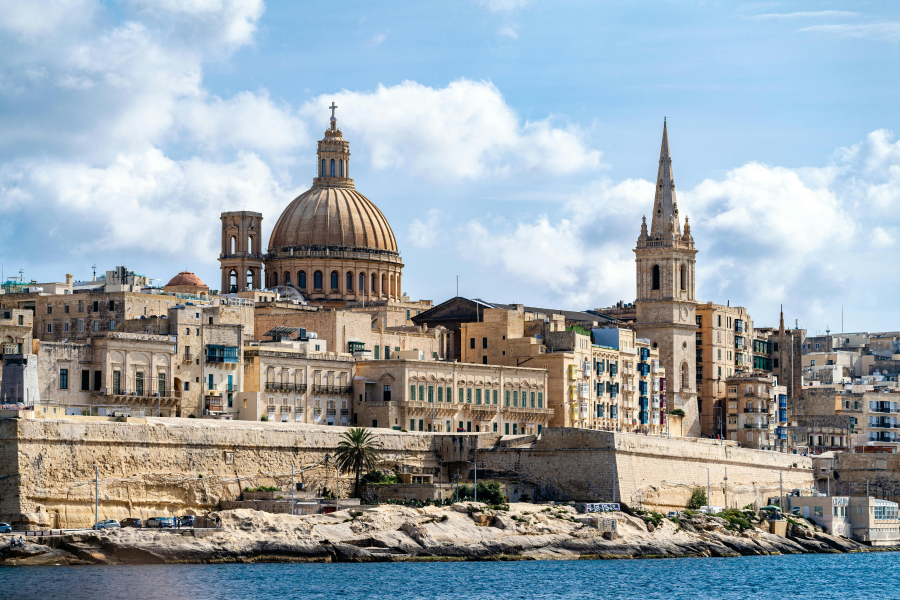
Valletta and Floriana serve a different profile, appealing to finance, legal and government-adjacent organisations. Limited supply and historic constraints keep vacancy low and support stable pricing.
The New CBD: Mriehel and Swatar – Mriehel and Swatar has evolved into Malta’s primary alternative CBD. Offering modern business parks, larger floorplans and comparatively moderate rents, the area attracts iGaming back offices, logistics firms, NGOs and expanding corporates. Infrastructure improvements and ongoing development continue to strengthen these locations position in the market.
Secondary and Peripheral Zones - Towns such as Mosta, Zebbug and Qormi offer budget-friendly office solutions suited to light industry and support functions. While less glamorous, these locations provide practical advantages, particularly for cost-sensitive occupiers.
Emerging Trends Shaping Malta’s Office Market in 2026
Hybrid Work and Office Space Efficiency in Malta - Hybrid work models have fundamentally reshaped office demand. Many organisations are reducing fixed headquarters footprints while supplementing with flexible workspace solutions. Demand is shifting toward smaller, adaptable offices that prioritise collaboration over density.
Developers are responding with projects in Mriehel, Swatar and St. Venera designed specifically for this new operational reality.
Sustainability and Workplace Experience in Office Buildings - Environmental, social and governance considerations now influence leasing decisions. Energy efficiency, air quality, natural light and sustainable materials are increasingly important to tenants. Buildings with green certifications, smart systems and wellness-focused amenities enjoy a competitive edge.
Access to high-speed fibre, fitness facilities and on-site retail further differentiates top-performing assets.
Sector-Specific Office Expansion in Malta - Malta’s iGaming and tech ecosystems remain robust, hosting hundreds of licensed operators. Continued sector growth supports office demand, although global shifts toward remote hiring may moderate long-term space requirements.
Office Investment Landscape and Market Outlook in Malta
Global real estate investment showed signs of recovery in late 2024, with office transactions rebounding and substantial capital poised for deployment. Malta continues to attract interest as a niche, stable EU market with attractive yields relative to risk.
Local indicators are mixed. Rising rental income in premium assets suggests confidence, while persistent vacancy in secondary stock tempers enthusiasm.
What to Watch Through 2026
The performance of large-scale projects, planning approvals and financing conditions will shape the next phase of the market. High-quality, well-located offices are positioned to outperform, while secondary assets may require repositioning, incentives or conversion to remain viable.
Overall, Malta’s office market enters 2026 defined by selectivity rather than stagnation. The fundamentals remain sound, but success increasingly depends on alignment with occupier priorities, flexibility and long-term value creation.
Find Office Space in Malta Aligned with Your 2026 Strategy
Malta’s office sector is no longer driven by broad-based growth. It rewards precision, quality and strategic positioning. For occupiers, the market offers choice and negotiating leverage outside prime zones. For landlords and investors, it demands clarity of purpose and commitment to relevance.
As 2026 approaches, the message is consistent in that offices that understand how people work today will define Malta’s commercial landscape tomorrow.
WorkSpaces offers access to a curated portfolio of office spaces across Malta’s prime and emerging business districts, supported by local market insight and tailored advisory. From flagship headquarters to flexible growth environments, every workspace is approached with precision, relevance and future readiness in mind.
Explore office spaces that support how your business works today and where it is headed next. Contact WorkSpaces at www.workspaces.mt or give us a call on +356 2010 8077. Your next workspace is only one search away.