SHARE WITH A FRIEND
Malta’s commercial office market includes a wide range of office formats, including fully furnished offices, partly furnished offices, finished but unfurnished premises, shell-form offices, serviced offices, and highly customisable commercial spaces.
The most suitable option depends on factors such as team size, operational requirements, lease duration, cash flow, expansion plans, brand positioning and how quickly the business needs to become operational.
For startups, international companies, growing businesses and established corporate occupiers, understanding the practical and financial differences between furnished and unfurnished office space is an important part of the office search process.
What Is a Furnished Office?
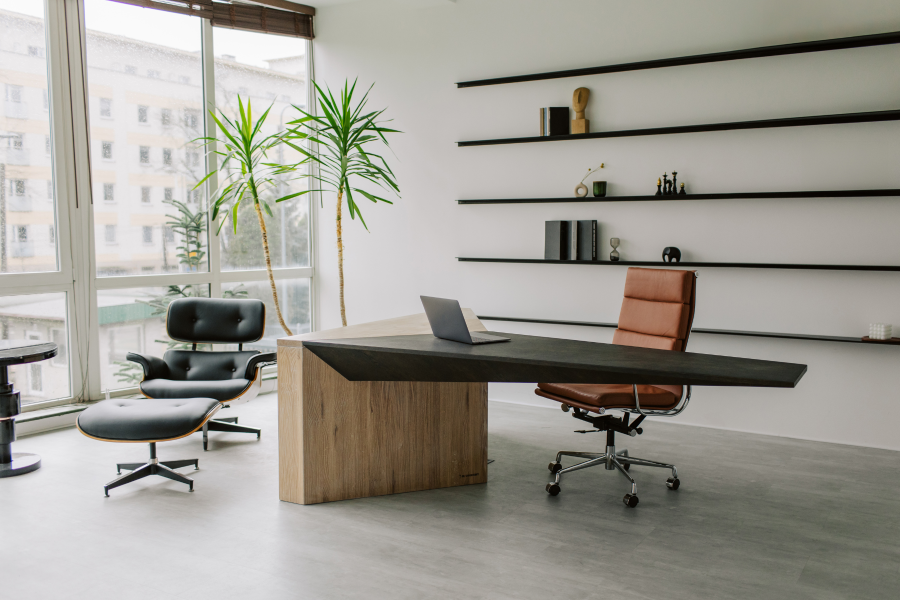
A furnished office is typically designed for immediate or near-immediate occupation. However, the level of furnishing and operational readiness can vary significantly between properties. Some furnished offices are fully operational, while others may only include basic furniture. Businesses searching for furnished offices in Malta should therefore assess not only the furniture itself, but also the office layout, infrastructure quality and operational readiness.
Typical Features of a Furnished Office
A furnished office may include:
- Desks and office chairs
- Meeting room tables
- Storage cabinets
- Reception furniture, where applicable
- Kitchenette or staff facilities
- Lighting and air conditioning
- Installed internet infrastructure or data cabling
- Existing partitions or private offices
- Basic décor, appliances or office equipment in some cases
Fully Furnished vs Partly Furnished Offices
Not every furnished office in Malta is fully plug-and-play. Businesses should clearly distinguish between fully furnished offices, partly furnished spaces and serviced office environments. In many cases:
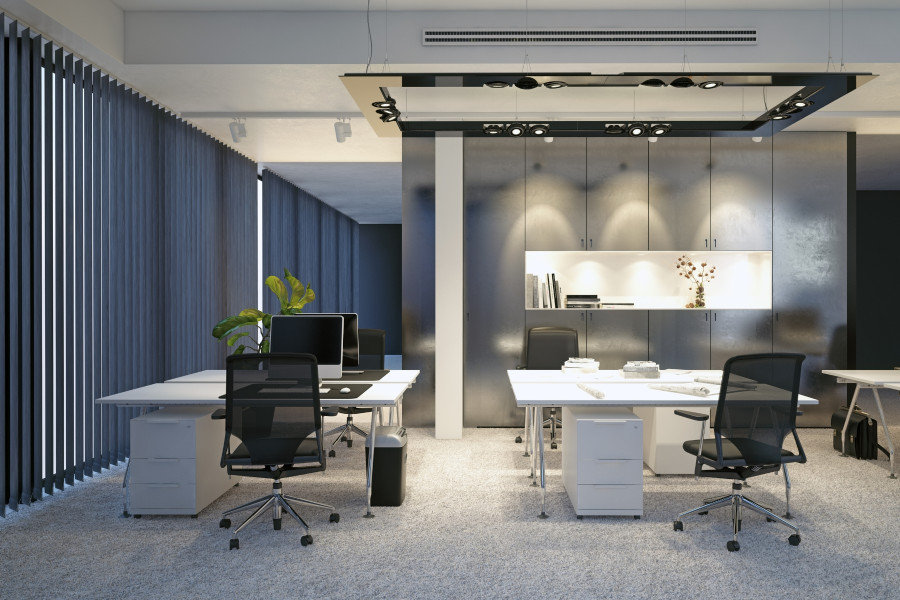
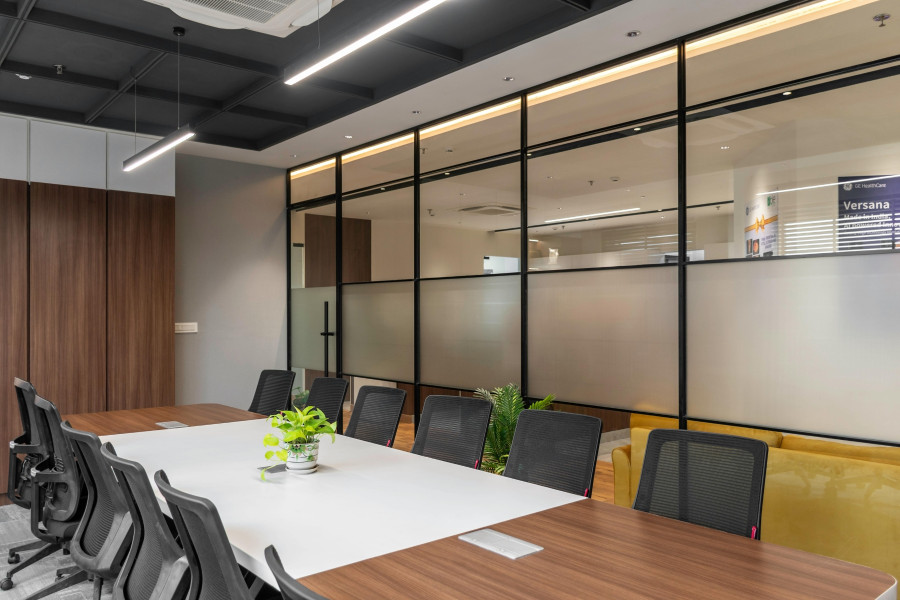
- A fully furnished office may include desks, chairs, meeting rooms, storage, kitchenette facilities and a complete operational layout.
- A partly furnished office may only include limited desks, leftover furniture or partial fit-out from a previous occupier.
- A serviced office may include furniture, reception services, utilities, cleaning, internet connectivity and shared amenities
It is important for tenants to confirm exactly what is included in writing before signing a lease or rental agreement.
What is an Unfurnished Office?
Unfurnished offices in Malta can range from fully finished commercial premises requiring only furniture installation to shell form offices requiring extensive fit-out work. The term “unfurnished” does not automatically mean that an office is incomplete or unsuitable for immediate occupation.
Finished but Unfurnished Offices
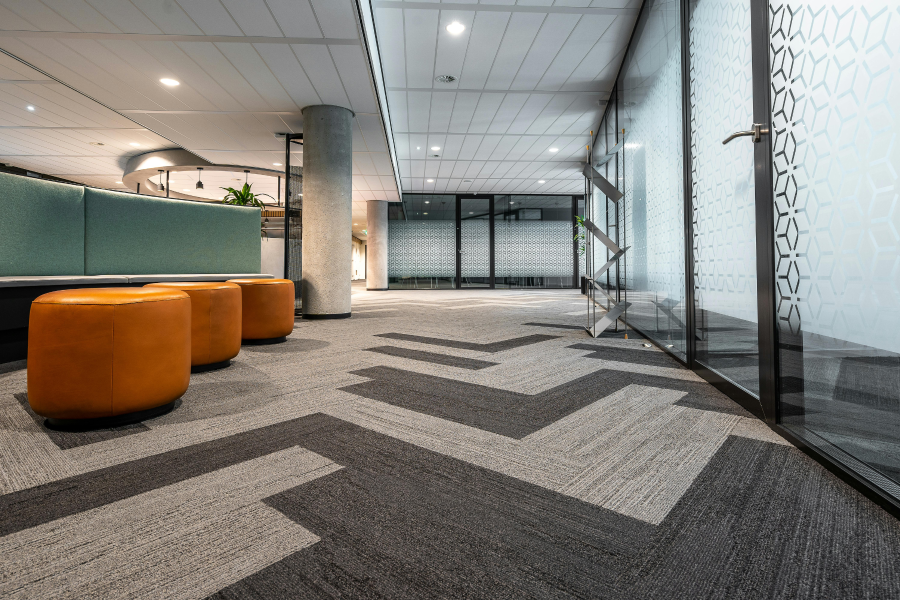
Finished but unfurnished offices refer to fully completed commercial spaces that are structurally and operationally ready for immediate use, but are leased without any furniture. Unlike shell or semi-finished properties, these offices already include all essential internal finishes and building services, such as:
- Flooring
- Lighting
- Air conditioning
- Bathrooms
- Electrical points
- Kitchenette facilities or plumbing
- Open plan office layout
In these cases, the tenant is generally responsible for supplying desks and chairs, storage solutions, meeting room furniture, IT equipment, and branding or signage. Finished but unfurnished offices often provide a balance between operational flexibility and reduced fit-out complexity.
Shell Form or Semi-Finished Offices
Some offices are offered in shell form or semi-finished condition, particularly within newer developments or large commercial projects.
Shell form or semi-finished offices refer to commercial spaces that are delivered in a basic, unfinished state, typically within newer developments or large-scale commercial projects. In a shell form condition, the property is essentially a structural framework, with core building elements such as external walls, floors, and basic services in place, but without internal finishes like flooring, ceilings, lighting, partitions, or fitted electrical and data points.
Semi-finished offices may include a slightly more advanced level of completion, such as basic plastered walls, installed utilities, or partially completed ceilings, but still require significant tenant fit-out before the space is operational. These types of offices give tenants full flexibility to design and complete the interior according to their specific operational, branding, and layout requirements.
These spaces may provide:
- Greater customisation potential
- More flexibility over layout design
- Larger uninterrupted floor plates
However, they also involve a higher upfront expenditure, can lead to longer setup timelines with greater contractor involvement and may have potential planning or permit requirements for installation of cabling, partitions, flooring, lighting and HVAC systems. Lease terms for shell form offices should reflect the level of tenant investment required before occupation becomes possible.
Main Advantages of Furnished Offices
Furnished offices offer practical advantages for businesses prioritising speed, convenience, lower setup costs, and operational flexibility. They are particularly common among startups, international companies entering Malta, and organisations requiring short-term or transitional workspace.
- Faster move-in and immediate usability
Furnished offices significantly reduce setup time, allowing businesses to become operational quickly without the delays associated with fit-outs or installation work. This is especially useful for companies relocating on tight timelines, startups launching operations, foreign businesses entering Malta, or teams operating from temporary project space.
- Lower upfront capital expenditure
Because key items such as desks, chairs, meeting room furniture, and certain installation works are already provided, tenants can avoid or reduce initial setup costs. This helps preserve cash flow and reduces financial pressure during the early stages of occupation, particularly for startups or businesses still validating long-term staffing needs.
- Simplified budgeting and cost predictability
With fewer setup requirements, furnished offices make it easier to plan occupancy costs. Reduced reliance on contractors, limited fit-out work, and existing infrastructure contribute to more predictable budgeting. For many businesses, this stability is preferable to the variability of a full custom fit-out.
- Suitable for short-term or flexible lease arrangements
Furnished offices are often ideal for shorter lease terms where full investment in fit-out would not be practical. Businesses leasing for 12 to 24 months, project-based teams, international companies testing the market, or organisations awaiting expansion approvals benefit from avoiding sunk costs in a space they may vacate in the near term.
Main Disadvantages of Furnished Offices
Although furnished offices provide convenience and operational speed, they may also involve compromises relating to layout control, branding, and long-term value. Businesses should assess whether the existing setup genuinely supports their operational requirements.
- Reduced control over layout and branding
Furnished offices may not fully align with a company’s preferred workflow, departmental structure, or visual identity. Existing desk configurations may not suit team dynamics, meeting room provision may be limited, and furniture may not reflect brand standards. In some cases, reception areas and shared spaces can feel generic, offering limited opportunity for customisation or redesign, which may be a disadvantage for larger or client-facing businesses.
- Variable furniture quality and condition
While furnished offices offer convenience, the quality of furniture can differ significantly between properties. Businesses should assess ergonomic comfort, desk size, storage capacity, and overall condition before committing. In some cases, worn or mismatched furniture may require early replacement, which can impact both staff comfort and professional presentation.
- Potentially higher rental costs
Furnished offices may carry a rental premium to reflect the landlord’s investment in furniture and fit-out. Tenants should consider the total cost comparison between leasing a furnished space and independently fitting out an unfurnished office. Depending on lease duration and operational needs, the added monthly cost may be justified by convenience, although it may not always be the most cost-effective long-term option.
Main Advantages of Unfurnished Offices
Unfurnished offices provide greater control over workspace design, operational structure, and long-term occupancy strategy. They are often preferred by established companies, larger teams, and businesses prioritising full customisation of their working environment.
- Full control over design and layout
An unfurnished office allows tenants to design the workspace around operational needs rather than adapting to an existing setup. This flexibility enables the creation of open-plan work areas, private offices, meeting rooms, call booths, client-facing zones, storage areas, and staff kitchens or breakout spaces. It also allows for tailored branding and signage, which can enhance workflow efficiency and reinforce company identity.
- Better suited to long-term occupancy
For businesses planning to remain in the same office for several years, investing in a custom fit-out and furniture can offer stronger long-term value. While initial setup costs may be higher, these can often be amortised over a longer lease period, potentially reducing overall occupancy costs compared with ongoing premiums associated with furnished office space.
- Stronger brand identity and workplace experience
Unfurnished offices provide complete control over the look and feel of the workspace, which can be particularly important for client-facing or high-professional standards industries such as financial services, advisory firms, technology companies, and recruitment organisations. Custom reception areas, meeting rooms, and branded environments can strengthen both external perception and internal employee experience.
- Potentially better value at scale
For larger organisations, unfurnished offices can be more cost-efficient over time. Direct procurement of furniture and independent management of fit-out works may reduce long-term expenditure compared with paying furnished office premiums. This is especially relevant for full-floor occupiers, corporate headquarters, multi-department operations, and businesses with long-term occupancy plans.
Main Disadvantages of Unfurnished Offices
Although unfurnished offices provide flexibility and long-term control, they also involve greater setup responsibility, operational planning, and financial commitment.
- Higher upfront setup costs
Tenants are responsible for funding the full office fit-out, which may include desks and ergonomic chairs, meeting room and reception furniture, kitchen appliances, IT equipment and cabling, storage solutions, and branding or signage. In addition, contractor and installation costs can significantly increase the initial expenditure, particularly for larger office spaces or more complex layouts.
- Longer time to operational readiness
Unfurnished offices may require a substantial lead time before they become fully operational. Businesses often need to coordinate layout planning, procurement, contractor scheduling, IT installation, cabling works, and branding execution. Depending on the condition of the space and project complexity, this process can extend over several weeks or even months before move-in is possible.
- Greater maintenance and lifecycle responsibility
Once the fit-out and furniture are installed, the tenant assumes responsibility for ongoing maintenance, repairs, replacements, and upgrades. In many cases, the tenant may also be required to restore or remove installations at the end of the lease. These obligations should be factored into the total cost of occupation over time.
- Risk of over-investment in a single space
Significant investment in a bespoke fit-out can become inefficient if business needs change. Rapid growth, shifts in working models, unexpected changes in headcount, or relocation requirements may render the original setup less suitable. As a result, businesses should be cautious about overcapitalising before long-term occupancy needs are fully established.
Cost Comparison: Furnished vs Unfurnished Offices
Comparing office options requires more than simply reviewing headline rental pricing. Businesses should assess the total cost of occupation over the expected lease duration, including setup expenditure, infrastructure investment, and ongoing operational flexibility. The true value of each option becomes clearer when both upfront and long-term costs are considered together.
Upfront Cost
Upfront costs typically represent the most immediate difference between furnished and unfurnished office space, with significant implications for cash flow and initial setup planning.
- Furnished offices: Require minimal initial capital investment as furniture, fittings, and basic infrastructure are already in place. This allows businesses to move in quickly with limited setup expenditure.
- Unfurnished offices: Require substantial upfront investment in furniture, fit-out works, IT infrastructure, and installation services. This increases initial capital requirements and extends the preparation phase before occupation.
Monthly Rent
Monthly rental pricing can vary significantly depending on whether the office is furnished or unfurnished, with differences often reflecting included assets and landlord investment.
- Furnished offices: Typically carry a rental premium that reflects the cost of furniture, fit-out, and installed infrastructure provided by the landlord.
- Unfurnished offices: Generally have lower base rent but may involve additional costs for furniture, fit-out financing, and installation, which should be considered alongside the headline rate.
Total Occupancy Cost
Total occupancy cost provides the most accurate comparison, as it combines both initial setup and ongoing expenses over the full lease term.
- Furnished offices: Often more cost-effective in the short term, particularly over 12–24 months, due to minimal setup costs and immediate operational readiness.
- Unfurnished offices: Can become more economical over longer periods (3–5 years or more), as the initial investment is spread over time and ongoing rental premiums are avoided.
Which Office Type Is Better for Different Business Types?
The most suitable office format depends heavily on operational structure, lease strategy, growth plans and client requirements. Different business types often prioritise different aspects of office occupancy.
Startups and Small Teams
Furnished or serviced offices are often more practical for startups because they reduce setup expenditure and allow rapid operational launch. Commonly suitable options may include:
- Furnished offices
- Serviced offices
- Small private suites
- Flexible lease agreements
International Companies Entering Malta
Foreign companies establishing a Malta office may initially prefer furnished space because it allows immediate operation while long-term plans are finalised. Suitable options may include:
- Serviced offices
- Furnished private offices
- Short-term fitted offices
- Temporary operational suites before relocation into larger premises
Growing Companies
Growing businesses should balance operational flexibility with the need for customisation and scalability. Potentially suitable options may include:
- Partly furnished offices when speed matters
- Unfurnished offices requiring custom layouts
- Buildings with expansion potential
- Lease structures matching recruitment forecasts
Established Companies and Larger Teams
Larger businesses frequently benefit from unfurnished or custom-fitted offices because operational complexity increases with scale. Suitable formats may include:
- Finished but unfurnished offices
- Full floor offices
- Custom-fitted commercial spaces
- Long-term leases with expansion rights
Client-Facing Businesses
Professional firms and advisory businesses may require greater control over presentation, branding and client experience. Suitable options may include:
- High-quality furnished offices where available
- Unfurnished offices with branded reception areas and meeting rooms
- Prime commercial buildings with professional entrances
Questions to Ask Before Renting an Office Space
Before committing to a lease, businesses should carefully evaluate what is included in the office, what flexibility is permitted, and what additional costs or timelines may apply, as the level of furnishing, delivery condition, and landlord requirements can vary between properties.
Before Renting a Furnished Office
When evaluating a furnished office, the key consideration is not just whether it is furnished, but how complete and usable that furnishing actually is. Businesses should clarify exactly what is provided and how ownership and maintenance responsibilities are defined:
- What furniture is included (desks, chairs, meeting tables, storage units)?
- Is the kitchenette fully equipped or only partially fitted?
- Are internet services included or limited to infrastructure provision?
- Are reception areas, lighting, blinds, and décor included in the lease?
- Who owns the furniture, and who is responsible for replacement or repair?
- Is a formal inventory schedule attached to the lease agreement?
Beyond inclusions, it is also important to understand operational flexibility. Even in furnished offices, restrictions may apply:
- Can desks and layouts be rearranged?
- Are partitions or additional meeting rooms permitted?
- Can branding or signage be installed?
- How easily can the space be adapted as the team grows?
Clear written confirmation of these points helps ensure the space remains functional as operational needs evolve.
Before Renting an Unfurnished Office
When considering an unfurnished or shell form office, the key focus shifts from what is included to what must be delivered before the space becomes operational. Businesses should establish the exact delivery conditions of the space:
- Is the office fully finished, semi-finished, or shell form?
- Are essential services such as lighting, air conditioning, and bathrooms already installed?
- Is the electrical wiring and data cabling in place?
- Is a kitchenette included or required as part of the fit-out?
- Are there restrictions on partitions or internal alterations?
- Is landlord approval required for works?
- What are the reinstatement requirements at the end of the lease?
- Is a rent-free period available to accommodate fit-out works?
Once the condition is confirmed, attention should turn to the practical implications of fit-out planning. These factors often determine both total cost and move-in timeline:
- Furniture procurement and lead times
- Contractor availability and scheduling
- IT infrastructure installation
- Partitioning and space configuration works
- Branding and internal signage installation
- Any required permits or approvals
- Coordination of relocation timelines
In many cases, the true cost advantage of an unfurnished office only becomes clear once fit-out complexity and time requirements are fully understood.
Furnished vs Unfurnished Office Checklist for Malta Tenants
Before arranging office viewings or negotiating lease terms, businesses should clearly define their operational priorities, budget expectations, and long-term occupancy strategy. A structured evaluation at this stage helps ensure the selected office format aligns with both immediate operational needs and future growth plans.
Key considerations to asses:
- How quickly does the business need to become operational?
- Is the lease intended to be short-term or long-term?
- Is cash flow preservation more important than workspace customisation?
- Does the business require a branded or client-facing environment?
- How many employees will occupy the office, and is growth expected within 12–24 months?
- Are meeting rooms and collaborative spaces already required or adequately provided?
- Is the existing layout suitable for day-to-day operations?
From a practical and financial perspective, additional factors should also be considered such as:
- What is the total occupancy cost over the full lease term, including setup and fit-out?
- Are fit-out works permitted, and what approvals are required?
- What are the reinstatement obligations at lease expiry?
- Is parking availability a key operational requirement?
- Is the furniture quality and specification acceptable for staff and client use?
- Would a serviced office offer a more practical solution than either option?
Choosing between furnished, unfurnished, or serviced office space depends on your operational needs, budget strategy, and long-term business plans. WorkSpaces provides access to a curated selection of office solutions across key commercial locations in Malta, helping businesses secure space that aligns with both immediate requirements and future growth.
For tailored guidance or to arrange a viewing, contact WorkSpaces on +356 2010 8077, visit the Portomaso Marina office or the Tigné Point Pjazza office, or explore available properties at www.workspaces.mt.